NONTO R: THE ART OF MAKING A NATION LAUGH, WHILE LIFE TEACHES HER ITS HARDEST LESSONS
From an uncertain career change to award-winning comedy, motherhood, faith and building platforms for women, Nomthandazo’s story is about much more than making people laugh.
There is a particular kind of courage required to make people laugh when life has given you enough reasons to cry. It is a courage that goes beyond stage presence, perfectly timed punchlines or the ability to command an audience. It requires an understanding of people, an appreciation of life’s contradictions and, sometimes, the willingness to turn your own experiences into stories that allow others to find humour in their own. For Nonto R, comedy has become more than a profession. It is a language through which she interprets life, confronts its complexities and connects with people who may have never experienced her particular journey but somehow recognise themselves in her stories.
Behind the laughter is Nomthandazo, a woman whose journey has travelled through journalism, insurance, unemployment, motherhood, grief, faith and the unpredictable business of entertainment.
She is an award-winning comedian, but also a wife, mother of five, creative producer and wellness advocate. Her story is not one of overnight success or a perfectly calculated career move. It is a story of discovering purpose in uncertainty, learning to trust a talent that had always existed and understanding that sometimes the most important performances happen away from the stage.

Her entry into comedy was hardly conventional. Having studied journalism, she eventually found herself working in insurance, following a professional path that provided stability but did not necessarily satisfy her deeper ambitions. Then came unemployment, a period that brought its own anxieties and forced her to reconsider what she wanted from life.Looking back, she describes that period as one of both fear and freedom.
There were financial responsibilities and the uncomfortable reality of not knowing what came next, but there was also an opportunity to ask herself a question she had perhaps not given enough attention to before.”When I found myself unemployed, it was scary because bills don’t stop just because you’re trying to find yourself. But at the same time, for the first time I had space to ask myself, ‘What do I actually want?'”Comedy entered that uncertainty. Not as a guaranteed escape from her circumstances, but as a possibility that demanded exploration.
Yet Nonto is not romantic about the decision to pursue one’s dreams. She understands that passion must coexist with responsibility, particularly in an industry where opportunities are rarely guaranteed.
“Would I tell somebody to quit their job without a plan B? Absolutely not!” she says
with the humour that seems to follow her even into serious conversations. “Sometimes faith is jumping, but sometimes faith is preparing yourself properly before you jump.”It is a telling introduction to the woman behind the comedian: someone who believes in following her calling but understands that ambition must be accompanied by sound judgement.
THE COMEDIAN WAS ALWAYS THERE. SHE JUST HAD TO RECOGNISE HERSELF
Long before the awards and national recognition, Nonto was already making people laugh. She had MC’d parties and events, entertaining audiences without necessarily thinking of herself as a comedian. To her, she was simply being Nonto.
There was no grand announcement, no defining moment when she suddenly decided to change careers and become an entertainer.The real transformation came when she began recognising that what she possessed was more than a natural ability to make people laugh. It was a craft that could be developed, refined and deliberately presented.
“I could take an experience, observe something everybody knows, turn it into material and intentionally make a room laugh,” she explains.
That realisation changed her relationship with comedy. She began approaching it with greater intention, understanding that there was a difference between occasionally entertaining people and building a career around storytelling, observation and performance.Still, claiming the title of comedian did not happen immediately.
“Sometimes other people see the gift in you before you give yourself permission to own it.”
It is perhaps one of the most relatable aspects of her journey. The ability may be visible to everyone else, but accepting that it can become the foundation of one’s future requires a different kind of confidence.For Nonto, that confidence would eventually extend beyond the language and cultural spaces in which she initially found her comedic voice.
Performing in Zulu on national platforms brings its own challenges. Zulu, she explains, is home. It carries expressions, cultural references and nuances that cannot always be transferred directly into English. Sometimes the humour is embedded in the sound of a phrase, a familiar expression or even a facial reaction.
“Translating that into English isn’t always about translating words-you are translating an entire experience.”
But she does not believe reaching a wider audience should require abandoning her identity. Instead, she sees the challenge as finding the universal within the particular. Marriage, parenting, family dynamics and church life are familiar experiences across different communities, even when the cultural details differ.
“Marriage is funny in every language. Families are funny. Church is funny. Parenting is funny. South Africans are funny”
It is an approach that allows her to remain rooted in her cultural identity while creating comedy that travels beyond linguistic boundaries. She is not interested in offering audiences a diluted version of herself. She wants them to experience something authentically Nonto, authentically Zulu and authentically South African.
TWO AWARDS, ONE NIGHT AND THE REFUSAL TO MAKE SUCCESS A FINISHING LINE
Recognition came in a particularly memorable fashion when Nonto won two Savanna Comics’ Choice Awards on the same night. For someone who had entered comedy through uncertainty, the moment represented more than trophies. It was validation that the path she had chosen was beginning to reward the faith she had placed in herself.Yet, interestingly, she does not regard that evening as the peak of her career.
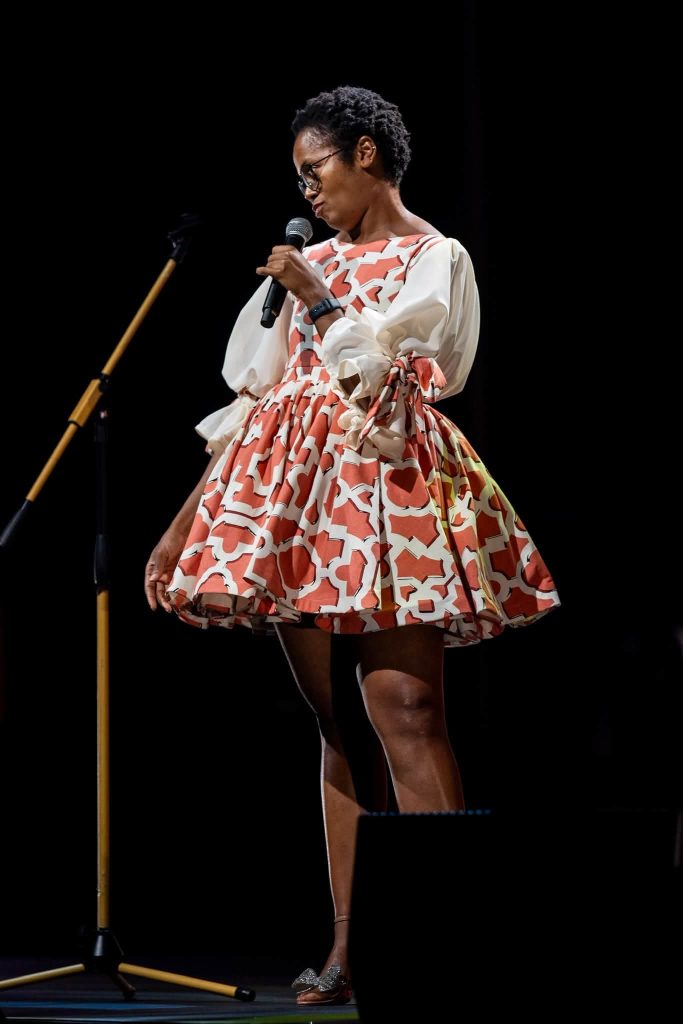
“If I had treated that night as the peak, everything afterwards would have been about trying to recreate it.”
Instead, she views the achievement as encouragement to continue building. There is a certain maturity in that perspective, particularly in an industry where recognition can quickly become another form of pressure. Once people celebrate you, there is an expectation that the next achievement must be bigger. The next performance must be better.
The next project must surpass the previous one.But careers do not always follow such convenient narratives.
“I’ve had to learn that a career isn’t a straight line. There are incredible highs and there are moments where you question everything.”
A decade into her comedy journey, she remains proud of the fact that she is still here, still creating and still finding reasons to challenge herself. And perhaps that longevity says more about her commitment than any individual award could.Her creative ambition is also evident in Comedy Meets Gospel, a concept that brings together two defining elements of her identity: faith and laughter.It is an unusual combination only if one assumes that spirituality and humour must occupy separate spaces.
Nonto sees things differently. For her, there is an important distinction between laughing about the human experience of church and mocking God.Church is filled with personalities, traditions and everyday situations that people recognise. The ushers, announcements, church mothers, pastors and familiar experiences of worship all provide opportunities for humour.
“My intention is never to disrespect what is sacred to people. In fact, I think Comedy Meets Gospel works because there is genuine love behind it.”
Her vision was to create an environment where audiences could laugh until their stomachs hurt and, moments later, be moved by a gospel performance. What began as an idea that might have sounded unusual to some has developed into a concept that has received national recognition.It also reveals an important dimension of Nonto’s career. She is not content simply to perform. She is interested in creating experiences, developing ideas and exploring opportunities that bring different audiences and creative expressions together.
WHEN LIFE BECOMES MATERIAL, THE LAUGHTER CARRIES A DIFFERENT WEIGHT
Comedy often gives audiences the impression that everything is lighter than it really is. A comedian tells a story, the audience laughs and the moment passes. What the audience does not always see is the personal experience that sits behind the punchline.For Nonto, comedy has become a way of processing difficult experiences. Some moments in life are not funny when they happen. They only become stories that can be approached with humour after time, perspective and, sometimes, healing.
“I’ve learned that pain and humour can exist in the same place.”
It is a powerful observation because it captures something essential about the relationship between comedy and vulnerability. Being able to laugh about an experience does not mean that the experience did not hurt. It means that the person telling the story has found another way to relate to it.
“This thing happened to me, but it doesn’t own the ending of the story.”
That sentiment becomes particularly significant when the conversation turns to family and motherhood.
Nonto is a proud mother of five. She has four biological children, including her second-born son, whom she sadly lost in 2009. That same year, her niece was born, and she has been raising her as her own daughter.It is a deeply personal part of her life, one that speaks to the complexity of motherhood, love, loss and resilience.
She describes motherhood as one of the most beautiful and challenging experiences of her life, teaching her unconditional love, sacrifice and the importance of being present.Her family has seen every version of her: the comedian, the mother, the wife, the producer, the dreamer and the woman who occasionally returns home exhausted from work and has absolutely no desire to entertain anyone.
“My family keeps me grounded because, at home, I’m not the award-winning comedian. I’m just Mom!”
There is a refreshing honesty in that distinction. The person audiences celebrate on stage does not automatically become the person who must exist at home. There are school and family responsibilities, schedules to negotiate and moments when the demands of entertainment compete with the desire to be present.Nonto also understands the importance of protecting certain family experiences from public consumption.
Although motherhood and family life inform her comedy, not every story belongs on stage.Ultimately, she sees what she is building as something bigger than personal recognition. She wants her children to grow up seeing a woman who pursued her ambitions, faced difficult circumstances and refused to allow those circumstances to determine what was possible.
SHE DIDN’T WAIT FOR A SEAT AT THE TABLE. SHE STARTED BUILDING THE ROOM.
That desire to create something beyond herself is equally visible in her work through Women in Comedy.The initiative reflects her understanding of the challenges women face in an industry that has historically been dominated by men. For women, the challenge is often not simply proving that they can be funny, but establishing themselves as comedians without having their abilities constantly qualified by gender.
Nonto recognised that waiting for opportunities to arrive was not always going to be enough.
“Sometimes you can spend years waiting for somebody to create space for you-or you can start creating the space yourself.”
Through producing shows, creating opportunities, building relationships and sometimes investing her own resources, she has taken an active role in developing platforms for women.Her approach to younger female comedians is particularly important. She is not looking to create another version of Nonto R. She wants women to develop the confidence to discover and express their own identities.
“I want them to have the confidence to become completely themselves.”
It is an understanding of mentorship that goes beyond simply opening doors. It is about ensuring that those who walk through them are free to bring their own ideas, personalities and creative instincts.For Nonto, if Women in Comedy can make another woman’s journey slightly easier than hers was, then the work has achieved something meaningful.
THE THIRD GIG: THE NIGHT THAT ALMOST ENDED HER COMEDY DREAM.
For all the awards and achievements, one of the most important lessons in Nonto’s career came during her third performance.It was around 2015 or 2016. Her first two performances had taken place in theatres, and both had gone exceptionally well. Naturally, she was beginning to feel confident about her new direction.Then came her first proper club gig.
The atmosphere was different. People were drinking, sitting around tables and having conversations. Four comedians performed before her, and none seemed to have particularly successful sets.Nonto was number five.And the experience was no better.The audience was not responding as she had hoped. The laughter was not coming, and the performance left her questioning whether comedy was really for her.
“I went home afterwards thinking, ‘Maybe this comedy thing isn’t for me”
It was a moment that could easily have become the beginning of the end. But about a week later, she performed in a similar club environment, using the same material. This time, the audience responded differently. It became one of her best performances, even earning her a standing ovation.The contrast taught her something that would remain with her throughout her career: one performance cannot determine whether or not she is a comedian.Comedy, she explains, has too many variables.
The room changes, the audience changes and even the mood of the people performing and watching can influence how a set unfolds.That experience fundamentally changed how she approaches the stage.Rather than immediately judging herself according to the audience’s reaction, she now considers whether she is enjoying the material, whether she believes in the story and whether she is genuinely passionate about telling it.”When I’m genuinely having fun on stage, audiences usually come along with me.”And when they do not, she does not automatically assume that her career is in trouble. Sometimes she needs to change the story, move to another subject or understand the room differently.Her conclusion is perhaps the simplest and most important lesson from that early experience.
A bad performance is exactly that-a bad performance. It is not a verdict on who I am or what I’m capable of.It is a lesson that extends well beyond comedy. In an industry where public response can sometimes feel like a measurement of personal worth, Nonto has learned not to allow one difficult night to define an entire journey.
THE WOMAN BEHIND THE LAUGHTER STILL NEEDS ROOM TO BREATHE.
There is one assumption about comedians that Nonto is particularly keen to challenge: the idea that people who make others laugh must always be happy themselves.
“I’m a human being before I’m an entertainer.”
It is a straightforward statement, but one that carries considerable weight. The expectation to entertain can sometimes make it difficult for performers to acknowledge their own emotional needs. A comedian can arrive at a venue carrying personal struggles, deliver a brilliant performance, take photographs with fans and return to a hotel room still dealing with the same challenges.Nonto understands that reality and has become more intentional about her wellbeing.She needs quiet, family, prayer, movement and moments when nobody expects her to perform.
She has also learned that rest should not be something reserved for the point at which exhaustion becomes unavoidable.”I’ve also learned that rest isn’t something you earn only after you’ve completely exhausted yourself.”Her interest in wellness reflects a desire to look after the person behind the public identity. It is about recognising that professional success cannot come at the permanent expense of personal fulfilment.She is learning to pay attention to the woman beneath the career, rather than allowing the demands of the career to consume everything else.And perhaps that brings us to the most important distinction in Nonto’s story.
She does not simply want to build a successful comedian. She wants to live a successful, healthy and fulfilled life.As she puts it, “I don’t only want a successful Nonto R. I want a healthy, fulfilled Nomthandazo too.”After a decade in comedy, two awards in one night, the creation of new platforms, the exploration of faith through entertainment and the experience of life’s most difficult personal moments, Nonto R has arrived at an understanding that goes beyond applause.
She knows that success is not measured by how many people laugh at your jokes, how many awards sit on your shelf or how loudly a room celebrates your name. It is also measured by what remains when the lights go off, when the audience goes home and when the stage no longer demands your attention.Her journey is still unfolding.
The comedian continues to create, the mother continues to nurture, the woman of faith continues to believe, and the creative entrepreneur continues to build.South Africa may know Nonto R for the laughter, but there is a much deeper story behind the punchlines.And if her journey has taught her anything, it is that you can experience pain without surrendering to it, pursue a dream without abandoning responsibility, create opportunities without waiting for permission and make a nation laugh without pretending that your own life has always been a joke.The applause may belong to Nonto R. The strength, the story and the woman behind it belong to Nomthandazo.
inDrive in partnership with Joburg City Parks & Zoo invests R6 million to develop a new community park in Naledi SowetoinDrive South Africa is partnering with Johannesburg City Parks and Zoo (JCPZ) to transform a 2.6-hectare undeveloped site in Naledi, Soweto, into a new community park, creating a recreational space for residents to play, exercise and spend time outdoors.
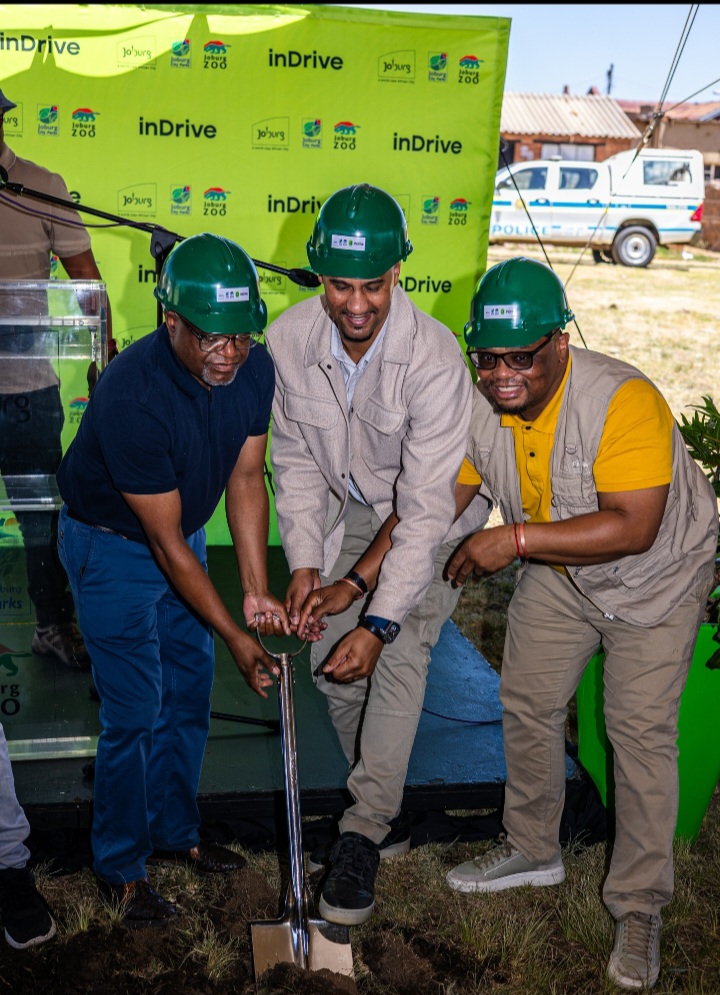
Located at PK2707 Nape Street, Stand 376, which currently has no public amenities, the site’s transformation will take place in three phases over three years. As part of the partnership, inDrive is investing R6 million towards the development of the park, supporting the creation of a safe, accessible and welcoming recreational space for the Naledi community and surrounding areas. Ashif Black, country representative at inDrive South Africa, says the project is an opportunity to invest directly in a community where people use its platform, creating something that can become part of everyday life beyond the journeys people take.“Moving people through a community also means becoming part of that community, and we believe that relationship should extend beyond the journeys people take with us,” says Black.
“Through this partnership, we have an opportunity to help turn an unused piece of land into a place where children can play and people can exercise, while families and neighbours can connect with one another.”
The first phase marks the beginning of the development of the wider 2.6-hectare site, which JCPZ has committed to the project without parallel third-party development. Phase 2 will continue the development in 2027, followed by Phase 3 in 2028, which is set to include the addition of a football field. The phased approach will see the park grow over time into a larger recreational space designed to serve different members of the Naledi community.
“Public spaces have an important role to play in how communities live and connect,” says Black. “
What matters to us is that this investment creates something useful and lasting for the people who live here, while giving the community more opportunities to spend time outdoors, be active and enjoy a space of their own.”A child’s opportunity to play safely should never depend on their postcode. This investment in Naledi recognises the dignity of our residents and the value of public spaces where families can gather with confidence. We thank inDrive for a generous contribution that will help turn that principle into a lasting community asset,” says the Executive Mayor of Johannesburg, Councillor Dada Morero.
𝗠𝗔𝗬𝗢𝗥 𝗗𝗔𝗗𝗔 𝗠𝗢𝗥𝗘𝗥𝗢 𝗔𝗗𝗗𝗥𝗘𝗦𝗦𝗘𝗦 𝗡𝗔𝗟𝗘𝗗𝗜 𝗖𝗢𝗠𝗠𝗨𝗡𝗜𝗧𝗬
Johannesburg Executive Mayor Councillor Dada Morero is currently addressing residents of Naledi in Soweto during a sod-turning ceremony marking the beginning of a new multifunctional park development.
The project is a partnership between Johannesburg City Parks and Zoo (JCPZ) and global mobility company inDrive, which has committed R6 million towards the first phase of the development.
The planned park aims to provide residents with a welcoming space for recreation, exercise and social interaction, while creating a safer and more inclusive environment for families and children.
The development will feature innovative playground equipment and outdoor gym facilities designed to cater to different generations. Safety will also be central to the park’s design, with improved visibility, clearly defined pathways, appropriate lighting and accessible entrances forming part of the planning approach.
Speaking about the investment, Morero highlighted the importance of ensuring that children have access to safe recreational spaces regardless of where they live. The initiative also seeks to restore dignity in a community facing social and economic challenges.
Local expertise and labour will be used wherever possible, with the project expected to create opportunities for Naledi residents and local service providers during implementation.
The sod-turning ceremony marks the start of a development intended to strengthen community connections and give residents a public space they can take pride in.
The project represents a collaborative effort to create a greener, safer and more vibrant Naledi.
‘IM’MANGALISO’ ECHOS ANOTHER MUSIC ANTHEM THAT IS TO BE LOVED AND APPRECIATED ACROSS DIFFERENT BOARDERS
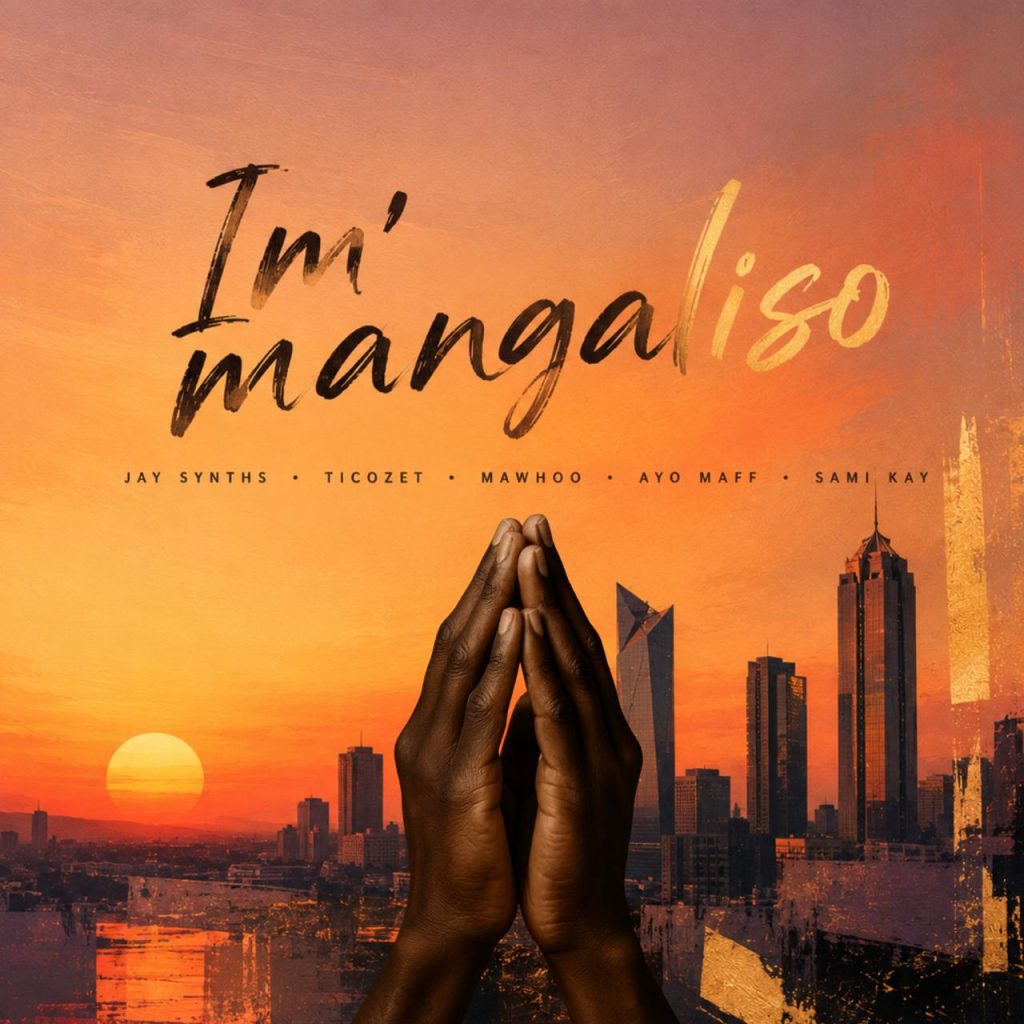
JOHANNESBURG, SOUTH AFRICA – ‘IM’MANGALISO’ ECHOS ANOTHER MUSIC ANTHEM THAT IS TO BE LOVED AND APPRECIATED ACROSS DIFFERENT BOARDERS
‘Im’mangaliso’ emerges from the fusion of two distinct musical heritages, crafting a remarkable sound that resonates with us all. This song is the creation by the Nigerian music genius and 2025 Grammy Awards nominee, Jay Synths, who has collaborated with his fellow countryman, Ayo Maff, alongside MaWhoo, Ticozet, and Sami Kay, to produce this masterpiece.


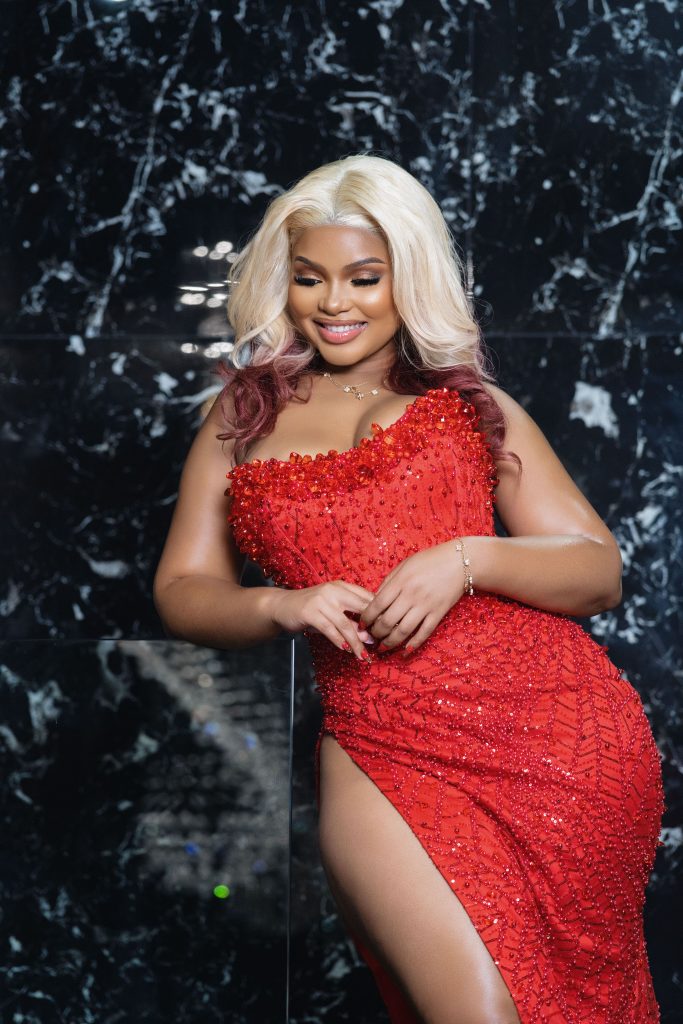

Despite the kind of sound he has to deal with in music, Jay Synths does not appear to falter. While he is widely known for Afro Beats songs that he has created with the likes of Burna Boy on ‘Born Winner’, Flavour on ‘Big Baller’ and more, ‘Im’mangaliso’ is a 3-Step dance song, delivering his diversity and range as a music producer. The song has been produced with one of South Africa’s rising stars, Ticozet. To better define its sound, songstress MaWhoo, along with Sami Kay and Ayo Maff, forged an agreement that is unrivalled. Composing a song that is easy to sing along to, and to resonate with.
In Nguni, or rather, Zulu, the song’s title refers to the song’s call for a “miracle”. It is powered by wonderful key drums, piano keys, and African percussion that will make you want to dance or sing along. MaWhoo, Ayo Maff, and Sami Kay also express gratitude in the lyrics for what God, the universe, or a higher power has given them. The collaboration highlights the artists’ prowess in music. Making a fan to experience a variety of emotions simultaneously. With the result of Nigerian and South African artists being on ‘Im’mangaliso’, it can be marked as a crossover song that unites these two nations once more.
Connect with Jay Synths
INSTAGRAM: jaysynthsbeatz
FACEBOOK: JaySynths
TIK TOK: jaysynths
X: jaysynthsbeatz
N.B. ‘Im’mangaliso’ officially drops on the 23rd of October(today), 2026
LETHABO: BEYOND NTSWAKI, THE MAKING OF A STAR WITH PURPOSE
South Africa may know her as the girl who keeps viewers talking on Skeem Saam, but there is much more to Lethabo than Ntswaki’s controversial decisions. From a childhood dream of becoming a doctor to navigating rejection, fame, money and the emotional demands of acting, the young star is learning that success is not just about being seen. It is about knowing who you are when the cameras stop rolling.
For many South Africans, the name Lethabo immediately brings to mind Ntswaki, the character on Skeem Saam who has a remarkable ability to get people talking. Whether viewers are defending her, criticising her or questioning her decisions, one thing is certain: she has become a character people cannot easily ignore. But beyond the television screen is a young woman whose journey is far more layered than the drama audiences see each evening.
Long before the public became familiar with her face, Lethabo was a young girl from North West trying to figure out what she wanted to become. Acting was not always the plan. At one point, she imagined herself becoming a doctor, following a completely different path from the one that would eventually place her in front of television cameras. Yet, as life often does, things began to change in ways she could not have predicted.


Her interest in acting developed while she was still at school. By Grade 7, she had joined an agency, taking her first steps into an industry that demands patience, discipline and resilience, particularly from someone so young. What began as an interest gradually became something she was willing to pursue seriously.
“I wasn’t treating acting like a hobby. I was willing to work, learn and take responsibility for the opportunities I was given.”
That attitude would become important when the journey took an unexpected turn. Lethabo experienced disappointment after losing a scholarship, an opportunity that could have changed the direction of her life. It was the kind of setback that could easily leave a young person questioning their abilities or wondering whether they had chosen the wrong path. Instead, another door opened when she landed a role on Skeem Saam.
Looking back, she does not pretend that the disappointment never mattered. Some opportunities leave a mark, especially when you are young and still trying to understand what your future might look like. But she has learnt that one missed opportunity does not have to define the rest of your story.
“Do I still wonder about that door? Of course. I’m human. But I don’t live in regret.”
It is a perspective that feels particularly relevant in an industry where rejection is part of the job. Auditions do not always lead to roles, plans can change overnight, and talent alone does not guarantee that things will fall into place. For Lethabo, the experience has helped her understand that sometimes the opportunity you did not get can make room for something you never expected.
Her breakthrough, however, came with a challenge of its own. Playing Ntswaki means being part of conversations that can become intense, especially when viewers develop strong opinions about a character’s actions. In the age of social media, those opinions do not always remain on television screens. They follow actors into comment sections, direct messages and everyday life.
For a young actress, learning to separate criticism of a character from criticism of the person portraying her is essential. Lethabo has had to develop that understanding while growing up in the public eye.
“I’ve had to learn very early that people’s feelings towards a character are not necessarily feelings towards me.”
It is an important distinction, although not always an easy one to maintain. When audiences invest emotionally in a storyline, their reactions can be immediate and unforgiving. A character’s choices may frustrate viewers, but the actor behind those choices is doing a job that requires them to bring the character to life convincingly.
Lethabo understands that not everyone will like Ntswaki. In many ways, that is part of what makes a character memorable. The real challenge is refusing to let public opinion dictate who she becomes outside the role.
“If I depended on everyone liking me, I would constantly be changing who I am.”
There is also an emotional side to acting that audiences do not always consider. A powerful scene might last only a few minutes on television, but preparing for it can demand a great deal from the person performing it. When a storyline deals with painful experiences, difficult relationships or emotional turmoil, the work can become particularly demanding.
For Lethabo, some of those moments have required her to sit with emotions that are not always easy to leave behind once filming is finished.
“That storyline was difficult because there is a difference between performing an emotional scene and carrying the emotional weight of what you’re portraying.”
The distinction matters. Actors are expected to make fictional experiences feel real, often returning to emotionally demanding scenes repeatedly until the director is satisfied. The audience sees the finished product, but rarely the preparation, the retakes or the effort involved in reaching that final moment.
“Sometimes the work doesn’t completely end when the director says cut.”
Her experience has also made her more conscious of the importance of wellbeing in the entertainment industry. Conversations about mental health should not begin only when someone reaches a breaking point. For young performers in particular, having the right support, boundaries and people around them can make a meaningful difference.
“I don’t think wellbeing should only become a conversation after someone has already reached breaking point.”
For all the pressure that comes with being recognised, Lethabo has also experienced the rewarding side of her work. Recognition at the Royalty Soapie Awards gave her a moment to appreciate how far she had travelled and the significance of the opportunities that had come her way.
Awards can be exciting, particularly for a young performer still finding her footing. They offer recognition, but they also bring expectations. The challenge is to appreciate the achievement without becoming so focused on the next accolade that the actual work loses its meaning.
“I’d rather have longevity than simply have a very impressive beginning.”
That outlook suggests an understanding that a career cannot be built on a single role, one award or a brief period of public attention. The entertainment industry can be unpredictable, and the people who remain relevant are often those willing to keep learning, adapting and developing their craft long after their first breakthrough.
Away from acting, Lethabo has also explored opportunities that allow her to connect with people in different ways. Her Miss Teen RGP title gave her another platform, one that carried expectations beyond appearance and recognition. For her, the value of such a title comes down to what a person chooses to do with it.
“A title doesn’t automatically mean you’ve changed people’s lives. Impact has to be demonstrated through consistency, not photographs.”
It is a fair point in a world where public figures can easily be judged by what they post online. A crown, a title or a platform may attract attention, but meaningful influence requires effort beyond the moment of recognition.
“If a crown is only producing Instagram content, then it’s fair to ask what purpose it serves.”
That same thinking extends to her life as a content creator. Social media has become an important part of building a public profile, particularly for young entertainers who want to reach audiences beyond traditional television. It can open doors, create opportunities and help people understand the person behind a familiar face. At the same time, it can create pressure to share more than one is comfortable revealing.
Lethabo is learning where to draw that line. She recognises that an online presence does not have to become a complete account of her private life, and that being known by the public does not mean surrendering every part of herself.
“Just because something performs well online doesn’t mean it represents who I want to be.”

She adds, “I don’t think being accessible means being completely available.”
It is a lesson that many young people in the public eye have to learn, often through experience. The desire to connect with supporters is understandable, but privacy remains important. There is a difference between sharing parts of your journey and feeling obligated to make every personal experience available for public consumption.
Growing up in the entertainment industry has also taught Lethabo to pay closer attention to the people around her. Success can attract genuine support, but it can also bring relationships that are shaped by opportunity, access and expectation. Learning to recognise the difference is part of growing up.
“I’ve also learnt that not everyone who says yes to you necessarily wants what’s best for you, and not everyone who tells you no is against you.”
It is a lesson that extends far beyond the entertainment industry. Sometimes protection comes in the form of a boundary, and sometimes rejection forces a person to reconsider a direction that was never right for them in the first place.
Perhaps one of the clearest signs of Lethabo’s determination is the fact that she bought her first car in cash at just 18. For a young person entering adulthood while balancing work, public attention and personal ambitions, the achievement represents more than the purchase itself. It speaks to the importance of making decisions about money while opportunities are available.
Financial success can be difficult to navigate at any age, but it can be particularly complicated when it arrives early. Recognition may create the impression that everything is easy, yet maintaining stability requires planning, discipline and an understanding that income and opportunities can change.
Lethabo’s journey has taught her that not every milestone needs to be announced and not every achievement has to become a performance for an audience. Some wins are valuable precisely because of what they mean to the person who worked for them.
Her interest in mental health also forms part of a broader understanding of success. The entertainment industry often celebrates visible achievements, from awards and television appearances to growing social media numbers. Yet behind those milestones are individuals who must still manage pressure, uncertainty and the ordinary challenges of life.
“Talent is not sustainable when the person behind it is struggling.”
For Lethabo, protecting her wellbeing is not separate from building her career. It is part of making sure she can continue doing the work she loves without losing sight of herself in the process. She also recognises the value of mentorship and having people who can offer guidance as she navigates an industry that can be difficult to understand from the outside.

Her ambitions reach beyond acting, too. While audiences may associate her most strongly with television, she has been pursuing her studies in psychology and is interested in exploring producing and directing. These interests reflect a desire to understand people and stories from different perspectives, rather than remaining within the boundaries of the role that first introduced her to the public.
“I don’t see acting as the destination. I see it as one of the doors that has opened for me.”
That distinction could prove important as her career develops. Acting allows her to interpret stories through a character, while producing and directing would give her greater involvement in shaping how those stories are told. Her interest in psychology adds another dimension, offering a way to explore human behaviour and the experiences that influence how people see themselves and the world around them.
“There are stories about young African people, women, families, identity and mental health that I would love to explore in a much deeper way.”
It is an ambition that speaks to the kind of career she hopes to build: one that is not limited to being recognised on screen, but also creates opportunities to contribute to the stories audiences encounter. For a young performer, that means being willing to learn, take risks and accept that the next chapter may look very different from the one that brought her into the spotlight.
Of course, growing up publicly comes with its own complications. While other young people may make mistakes, change their minds or go through difficult periods without strangers watching, young entertainers often experience those moments under a public lens. Their growth can become a topic of discussion, and their past can follow them even as they try to move forward.
“Growing up publicly has meant that some of my experiences happened with an audience watching.”
There is a certain vulnerability in that reality. The public may feel that it knows someone because it has watched them on television or followed their journey online. But visibility is not the same as understanding. Viewers see selected parts of a person’s life, shaped by storylines, interviews and the moments they choose to share.
Lethabo wants room to become more than the character that made her recognisable. She wants to learn, make decisions, explore new interests and grow into a person whose identity is not permanently tied to one stage of her life.
“I want to be allowed to evolve. I don’t want people to only remember me as the teenager who became an actress.”
It is a reasonable request, especially for someone whose career began while she was still young. The person audiences first encountered will continue to change, and the roles she takes on in the future may reveal sides of her that viewers have not yet seen.
For now, Ntswaki remains a significant part of her story. The character has brought attention, challenged her emotionally and introduced her to audiences who may not otherwise have known her name. But the role is not the whole story, and Lethabo appears determined to make sure there is much more to come.
“I want my success to mean more than being famous. I want it to mean that I used the opportunities I was given well.”
Perhaps that is the most telling part of her journey so far. She is not simply chasing the next moment in the spotlight. She is thinking about what she can build from the opportunities she has received, what she can learn from the setbacks she has faced and how she can remain grounded while her world continues to expand.
There is still much ahead of her, and no one can predict exactly where her journey will lead. What is clear, however, is that she is already thinking beyond the immediate rewards of recognition. She wants a career with substance, a life with boundaries and the freedom to explore possibilities that extend beyond the character audiences have come to know.
The character may be the reason audiences are watching, but the woman behind it is the reason her story deserves to be heard.
THABISO RAMMUSI: THE MAN BEHIND THE ROLES, THE MISSION BEYOND THE SPOTLIGHT
How a Soweto born creative is redefining success through discipline, versatility and a vision bigger than himself.
Some people pursue the spotlight. Others discover how to use it to illuminate something bigger than themselves. For Thabiso Isaac Rammusi, professionally known as ThabsDeBest, the journey has always been about more than recognition. It is about growth, purpose and the impact one can make along the way.
Some people pursue the spotlight. Others discover how to use it to illuminate something bigger than themselves. For Thabiso Rammusi, professionally known as ThabsDeBest, the journey has always been about more than recognition. It is about growth, purpose and the impact one can make along the way.
Born in Soweto, Rammusi has built a multifaceted career spanning dance, acting, presenting, public speaking and event hosting. His story is one of evolution, demonstrating what becomes possible when talent is matched with discipline and a willingness to embrace new opportunities.
His journey is still unfolding, but one thing is clear: he is building more than a career. He is building a legacy.

Rammusi’s artistic journey began with dance, the passion that first introduced him to the world of performance. In 2009, his appearance on SA’s Got Talent brought his abilities to a national audience, opening the door to new creative possibilities.Rather than limiting himself to one discipline, he expanded into acting and public speaking, developing the versatility that continues to shape his professional identity.
His acting credits include appearances in Generations on SABC1 and Dithapo on SABC2, as well as films broadcast on Mzansi Magic. Another notable milestone was his involvement in the short film The Suit, alongside legendary actor Dr John Kani. The production went on to win a South African Film and Television Award.
From television productions to commercials and film, Rammusi has continued to demonstrate his ability to adapt to different roles and audiences.In 2023, his involvement in the Showmax series Adulting marked another important chapter, connecting his work with audiences across the African continent.Each opportunity has contributed to a journey defined not by a single breakthrough, but by continuous development.
Success in entertainment requires more than natural ability. It demands preparation, resilience and the discipline to keep learning long after the applause fades.Rammusi’s transition from dancer to actor, presenter and host reflects the value of developing skills that extend beyond one’s original craft. His public speaking journey, strengthened through Toastmasters training, has further developed his ability to communicate confidently and connect with audiences.
As an event emcee, he has worked with prominent brands including Samsung, Philips, Discovery, Barloworld, Henwill Chicken and GQ magazine.These experiences highlight his versatility across entertainment and corporate platforms, where professionalism, presence and the ability to engage people are essential.
His journey offers an important lesson to aspiring creatives: your first opportunity does not have to define the limits of your future. Sometimes, the next level begins when you are willing to learn something new.Discipline creates the foundation. Consistency strengthens it. Purpose gives it direction.
For Rammusi, professional growth is about more than collecting credits or becoming a familiar face. It is about recognising the possibilities that come with experience and using them to build something meaningful.The entertainment industry is constantly evolving, demanding adaptability from those who want to remain relevant.
Rammusi’s career reflects this reality, moving across performance, communication and live entertainment while continuing to refine his craft.His journey also illustrates that leadership is not limited to formal positions. It can be expressed through preparation, reliability, the example one sets and the willingness to share what one has learned.For emerging performers, his experience is a reminder that careers rarely follow a perfectly straight line. Different opportunities can become valuable stepping stones when approached with commitment and an open mind.

The goal is not simply to be seen. It is to become capable, dependable and purposeful in the work one does.
Behind the professional identity is a man who also embraces the responsibilities of being a father, husband and brother.This personal dimension brings a deeper meaning to his ambitions. While audiences encounter the performer on screen or the host commanding a stage, family life represents another important part of who he is.Balancing personal responsibilities with creative ambition requires perspective.
It means recognising that achievement is not measured by public recognition alone, but also by the relationships we nurture, the commitments we honour and the values we carry into everyday life.Rammusi’s desire for continued growth and positive influence reflects an understanding that success has a personal as well as a professional dimension.
The spotlight may introduce the world to a person’s talent, but character is revealed in how that person lives beyond that, does it mean to leave a lasting mark in an industry built around constantly changing stories and new faces?It means thinking beyond the next role. It means recognising that experience can become a resource for others and that personal progress can inspire someone else to begin their own journey.
Rammusi’s evolution across several creative disciplines offers a practical example of adaptability and continued learning. His journey shows aspiring creatives that growth often comes from taking opportunities seriously, investing in one’s abilities and remaining open to new possibilities.Mentorship begins when knowledge is shared. Leadership grows when example is matched with responsibility. Legacy takes shape when the work contributes something that extends beyond individual achievement.
For Rammusi, the ambition to keep improving his craft and positively influence others places these principles at the heart of his wider journey.The challenge is not merely to build a successful career, but to make that success meaningful.
“THE WORK IS BIGGER THAN ME.”
These words capture the philosophy at the heart of Rammusi’s cover story.They speak to a perspective in which achievement is not the final destination, but a platform for something greater. A performance can inspire an aspiring actor. A public appearance can encourage a young person to believe in their abilities. A career built through persistence can remind others that progress is possible.
Power becomes meaningful when it serves a purpose. Purpose creates impact when it reaches beyond the individual.Rammusi’s journey from dance to television, film and live entertainment demonstrates the value of continuing to evolve. His responsibilities as a family man add another dimension to a story about ambition, balance and personal growth.His next chapter will bring new opportunities and new challenges, as every evolving career does. What matters is the intention with which those opportunities are embraced.
Thabiso Isaac Rammusi’s story is ultimately about the power of becoming. From his beginnings in Soweto to his work across South African entertainment, he has continued to expand his skills, explore new platforms and develop his professional identity.His journey reinforces three principles: discipline builds freedom, versatility creates opportunity, and purpose gives achievement its deeper meaning.
The spotlight is part of the journey, but it is not the destination. The bigger ambition is to keep creating, keep growing and contribute something worthwhile to the people and industry around him.Because the true measure of a career is not simply how many people recognise your name. It is what your name comes to represent.Thabiso Rammusi is building more than a career. He is building a story of purpose, a platform for possibility and a legacy that reaches beyond the spotlight.
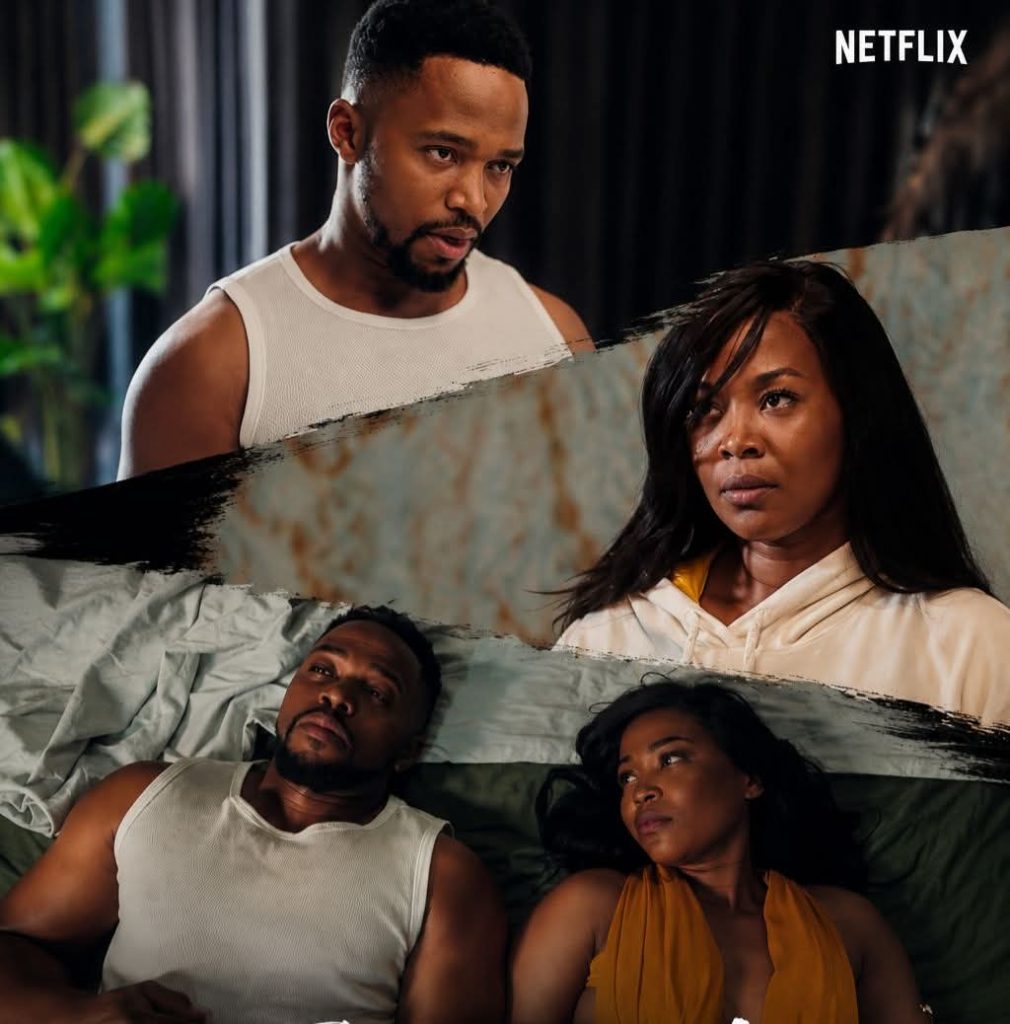
From Soweto to the Set
The Rise of Kruger Zulu
Born in Soweto, driven by purpose and shaped by the demands of the film industry, Kruger Zulu is building his name behind the scenes of major productions while nurturing his own ambitions as a filmmaker. His journey is a story of discipline, resilience and the courage to pursue a dream, proving that sometimes the people working beyond the spotlight have the most powerful stories to tell.
There is a world behind the camera that audiences rarely get to see. It is a world of early mornings, long hours, difficult decisions and people working tirelessly to turn an idea on paper into a story that millions can eventually experience on screen. While the audience sees the final product, the magic of filmmaking begins long before the cameras roll. It begins with the people who believe in the vision, understand the responsibility and are willing to do the work required to bring it to life.
For Kruger Zulu, that world has become both a profession and a passion.
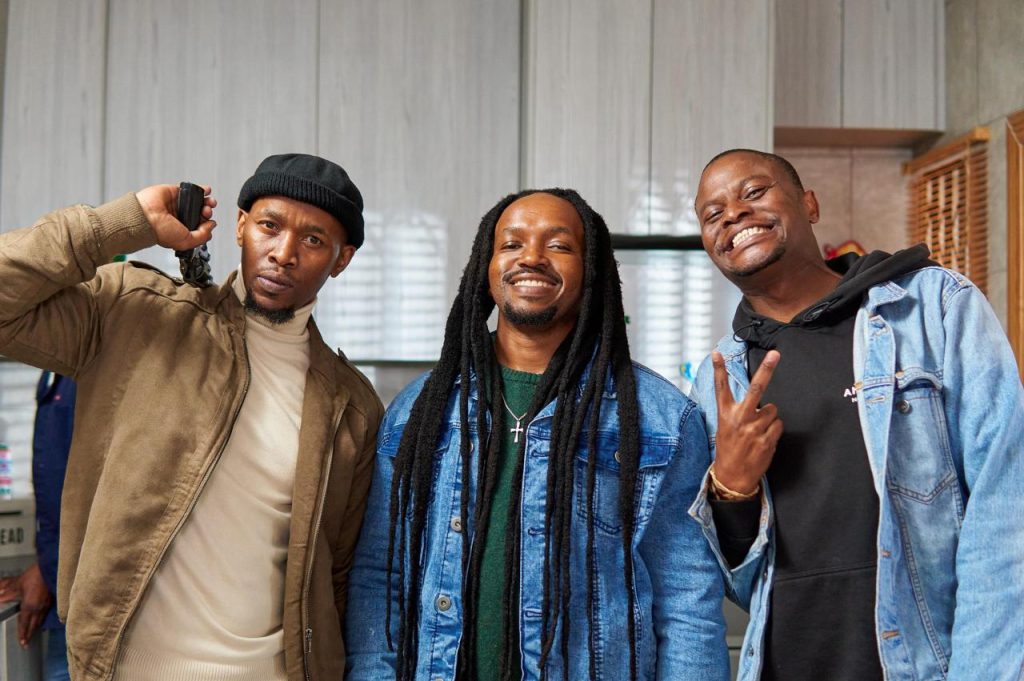
A Soweto born creative, Zulu has carved out his place in the film and television industry as a First Assistant Director, working on major productions and helping transform ambitious creative visions into practical realities. His work demands precision, discipline and the ability to keep an entire production moving, even when circumstances threaten to derail the plan.
Yet, beyond the walkie talkie, the call sheet and the authority of his professional title is a man with a bigger vision for himself. He is not only committed to helping other people tell their stories. He is also developing his own voice as a filmmaker, carrying the lessons of every production into the stories he hopes to create.
His journey offers an important reminder that success does not always begin with recognition. Sometimes, it begins with showing up, doing the work, learning from those around you and remaining committed to a dream even when the journey demands more than you expected.
For Zulu, being a First Assistant Director is about much more than calling for quiet or ensuring that a scene is ready to be filmed. It is about understanding the moving parts of a production and making sure they work together.
“My job is to keep that system moving,” he explains.
It sounds simple, but anyone familiar with the demands of filmmaking understands the responsibility behind those words. A production brings together actors, directors, producers, camera operators, sound teams, lighting departments, costume designers and countless other professionals. Each person has a role, and each department depends on clear communication and effective coordination to achieve the day’s objectives.
The First Assistant Director helps hold that structure together.
Zulu is responsible for managing time, coordinating departments, working with the cast and crew, and helping ensure that the director’s vision can be achieved within the practical realities of production. It requires him to understand the bigger picture while paying attention to details that might otherwise be overlooked.
A delayed setup can affect the entire schedule. A misunderstood instruction can disrupt several departments. A decision made in the moment can determine whether the production remains on track.
“Being a First AD is about preparation, communication, discipline and staying calm when things don’t go according to plan,” he says.
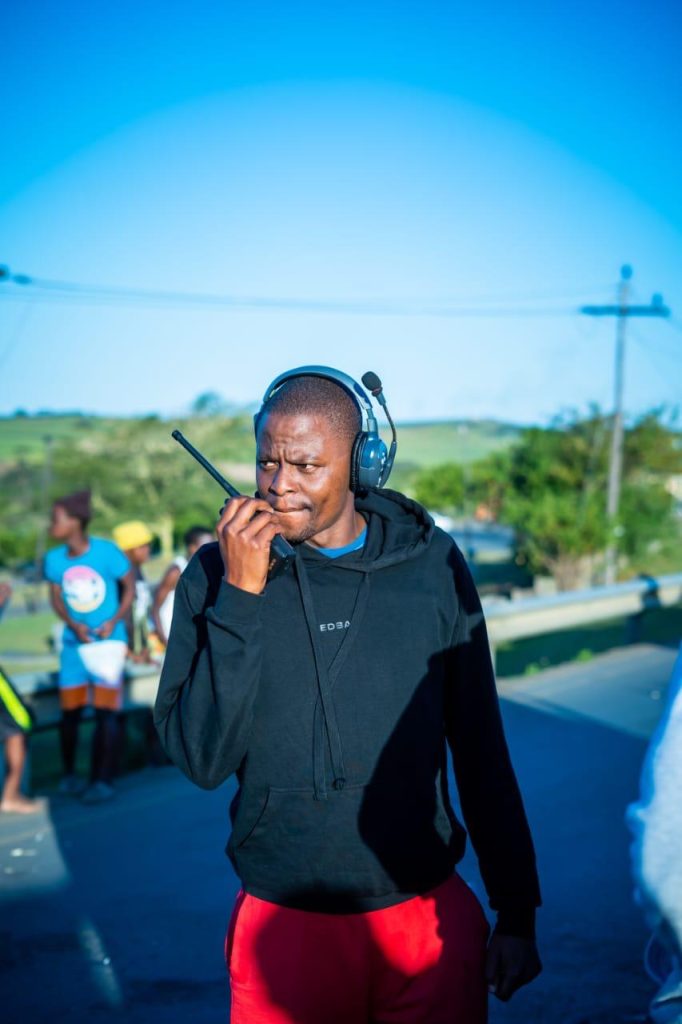
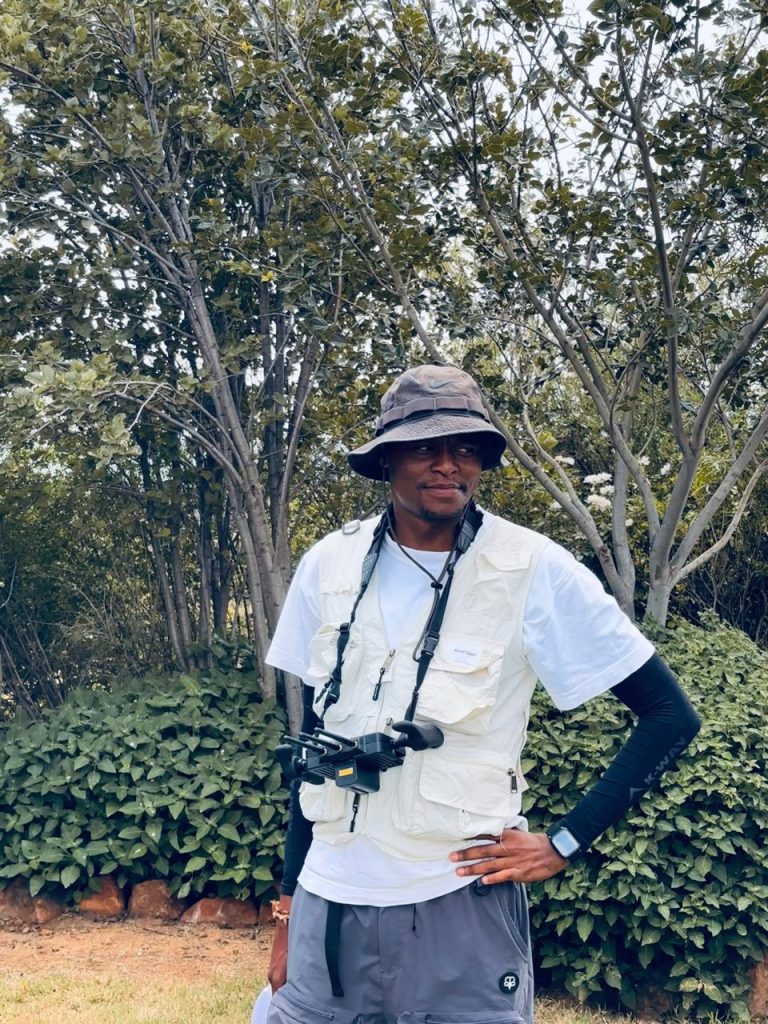
That ability to remain composed under pressure is one of the defining qualities of his work. On a film set, things do not always unfold as expected. Locations change, technical problems arise, people run late and scenes sometimes demand more time than anticipated. A schedule may provide direction, but it cannot predict every challenge.
For Zulu, experience has taught him that the secret is not to become attached to a plan simply because it was carefully prepared. The real skill lies in understanding the plan well enough to know how to adjust it without losing sight of what needs to be achieved.
“A good First AD doesn’t only know the plan. They know what to do when the plan stops working.”
It is a lesson that extends beyond filmmaking. Life rarely follows a perfectly written script. Dreams encounter delays, opportunities arrive in unexpected forms, and sometimes the route to success looks nothing like the one we imagined at the beginning.
What matters is the ability to adapt without abandoning the destination.
In the demanding world of major productions, where expectations are high and time is valuable, Zulu has learned that pressure requires clarity rather than panic.
“When something starts going wrong, you cannot afford to panic. Everyone is looking for someone to provide direction,” he explains.
The ability to make a quick decision, communicate it clearly and keep people focused is essential. Sometimes, the most important contribution a First Assistant Director makes is preventing a problem from becoming visible to anyone outside the production.
“There are many decisions made on a set that will never appear in the credits. Sometimes the most important thing you do is simply prevent a problem from becoming visible.”
There is a quiet confidence in that understanding. It reflects a professional who recognises that the value of his work is not measured only by how often he is acknowledged, but also by how effectively he helps others succeed.
“If the audience watches the finished production and never knows that there were challenges behind the scenes, then we have done our jobs properly.”
For Zulu, that is the beauty of the work. The audience gets to experience the story without needing to know how many adjustments, conversations and difficult decisions were required to make it possible.
But keeping a production moving is not only a matter of schedules and logistics. It is also about people.
A film set brings together individuals with different personalities, perspectives, creative instincts and professional responsibilities. Under pressure, those differences can sometimes lead to tension. The First Assistant Director must know when to be firm, when to listen and when to find a way forward that allows the work to continue without damaging relationships.
Zulu is clear about the kind of leader he wants to be.
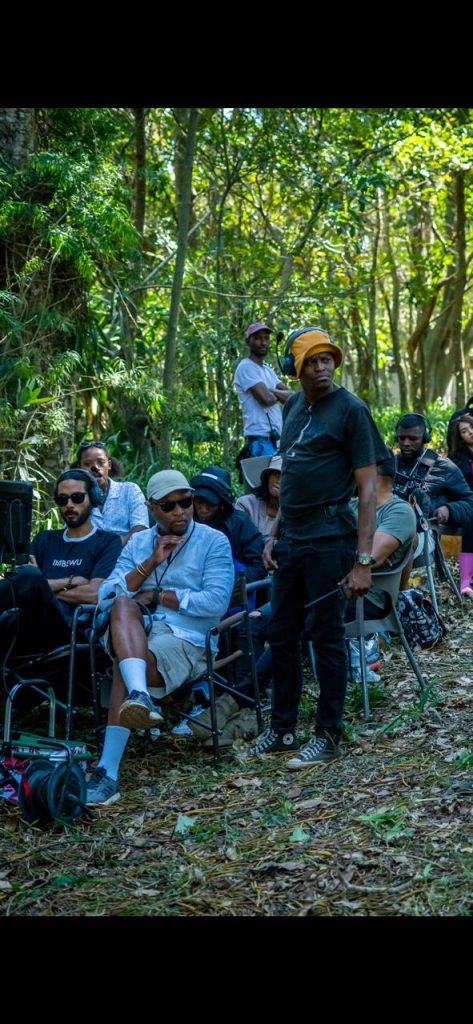
“I don’t want people to be afraid of me. I want people to respect the responsibility that comes with my position.”
It is a distinction that speaks to his understanding of leadership. Authority may come with a job title, but respect has to be earned through conduct, consistency and the way people are treated.
There are moments when firmness is necessary. When a production needs quiet, the instruction must be respected. When time is running out, decisions cannot always be delayed. But Zulu understands that the people on set are human beings who may be tired, stressed and working under immense pressure themselves.
“The difficult part is learning how to be firm without becoming disrespectful.”
His approach is to keep the focus on the work rather than allow disagreements to become personal. When egos begin to interfere with the production, he returns to the central questions: What are we trying to achieve? What does the schedule require? What is best for the production?
“You don’t win by trying to prove that you are the most powerful person on set. You win by getting the job done while maintaining respect for the people around you.”
It is a philosophy built on the understanding that filmmaking is a collective effort. No matter how talented one person may be, a successful production depends on people working together.
That appreciation for collaboration has also shaped the way Zulu views his professional journey. He speaks with gratitude about the opportunity to work with industry figures including Thabang Moleya, Chris Q Radebe, Kgomotso Medupe, Kagiso Medupe, Tiyane Nyembe, Ntobeko Dlamini and Twiggy Matiwana.
Working with experienced people has exposed him to different approaches to the craft and reinforced the importance of professionalism, preparation and respect.
“Passion and respect can take you places,” he says.
For Zulu, the industry is not simply about getting opportunities. It is about what you do with them, what you learn from the people around you and the impression you leave behind when the work is done.
Talent matters, but it is not the only thing that sustains a career. People remember those who arrive prepared, communicate clearly, take responsibility and remain dependable when the pressure rises.
“The industry remembers people who can be trusted.”
It is advice that carries particular weight for young people hoping to enter the entertainment industry. Opportunities may not always come quickly, and the journey may not offer immediate recognition. But every experience can become an opportunity to develop a skill, build a relationship or understand the business a little better.
For Zulu, consistency is part of that process. You have to be willing to learn from the small opportunities as much as the big ones, ask questions at the right time and respect every person who contributes to the production.
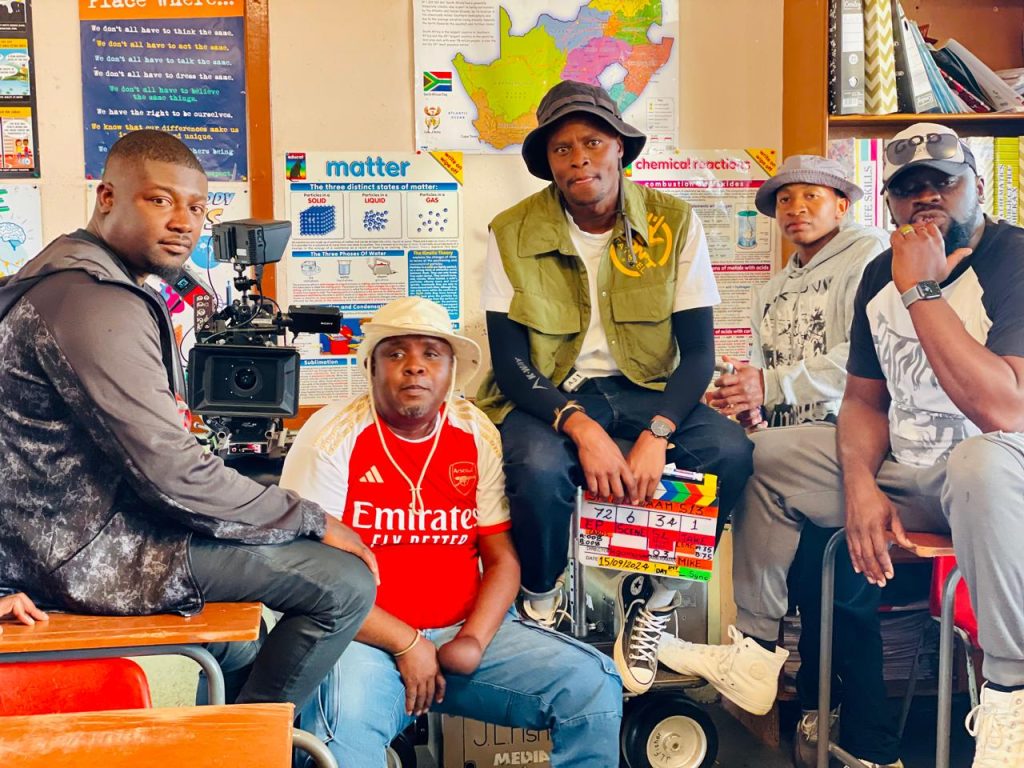
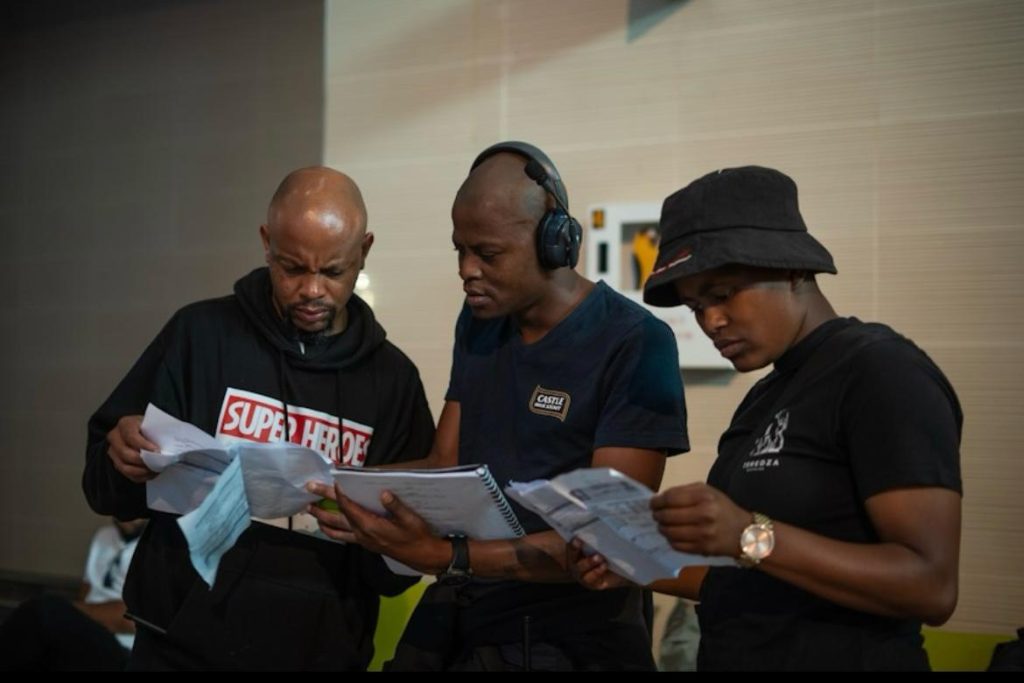
His own career reflects the importance of learning while doing. Each production has offered lessons about people, performance, technical departments and the practical work required to bring a story to life.
But there is another side to Kruger Zulu that is equally important to his story.
Beyond his responsibilities as a First Assistant Director, he is a filmmaker with his own ideas, ambitions and creative perspective. He wants to tell stories that come from his own imagination and experiences, and he sees his work behind the scenes as an important part of preparing himself for that future.
“I don’t see being a First AD as a compromise. I see it as an education.”
For Zulu, the two roles complement each other. Being a First Assistant Director has taught him discipline, leadership, communication and how to help execute someone else’s creative vision. Being a filmmaker gives him the freedom to explore his own ideas and develop stories from his own perspective.
Rather than viewing his professional responsibilities as a detour from his dreams, he recognises the value of what he is learning along the way.
Every production offers another lesson in how films are made. Every collaboration reveals something about the creative process. Every challenge provides an opportunity to understand what it takes to move from an idea to a finished piece of work.
There is a powerful lesson in that approach: sometimes the journey towards your dream involves doing work that prepares you for it in ways you may not immediately recognise.
You may not always be the person leading the creative vision, but you can still learn how that vision is developed, communicated and brought to life. You can observe how experienced professionals handle pressure, how departments work together and how decisions affect the final product.
That knowledge becomes part of your own creative foundation.
For a filmmaker who wants to develop his own projects, understanding the practical realities of production can be just as valuable as having a compelling idea.
And Zulu has a clear message for aspiring creatives who have ideas they hope to bring to the screen.
“One of the biggest things I see is people spending too much time talking about the project instead of actually developing it.”
He believes that too many people become attached to the excitement of imagining a project without taking the necessary steps to make it real. Ideas are important, but they must be developed through writing, rewriting, criticism and a willingness to keep improving.
“An idea is not a film.”
The statement is direct, but it captures a truth that applies to almost every creative ambition. Having a dream is the beginning. The work that follows determines how far that dream can go.
Zulu encourages young filmmakers to write their ideas down, finish something, learn from the experience and begin again. Waiting for everything to be perfect can become an excuse for never starting.
The process itself is where growth happens. A completed project teaches you things that an unfinished idea never can. It reveals what works, what needs improvement and what you might do differently the next time.
For young people from communities where opportunities may feel distant or difficult to access, that message is especially meaningful. You do not have to wait until you have everything figured out to begin developing your craft. You can start with what you know, learn from what is available to you and keep building.
The journey will not always be easy. Zulu knows that pursuing a career in film comes with sacrifices that are often invisible to the outside world.
The hours can be long, call times can be early, and sometimes the working day continues long after friends and family have settled into their own routines.
“One of the biggest things it takes from you is ordinary time,” he reflects.
Time with loved ones, rest and the freedom to switch off can become difficult to protect when a production demands so much attention. While building a career, you can sometimes become so focused on the future that you forget the importance of the life happening around you.
Zulu acknowledges that finding balance is something he continues to learn.
His honesty offers a more human picture of ambition. Success is often discussed in terms of sacrifice, hard work and determination, but it is equally important to recognise that the people pursuing those dreams have lives and relationships that matter.
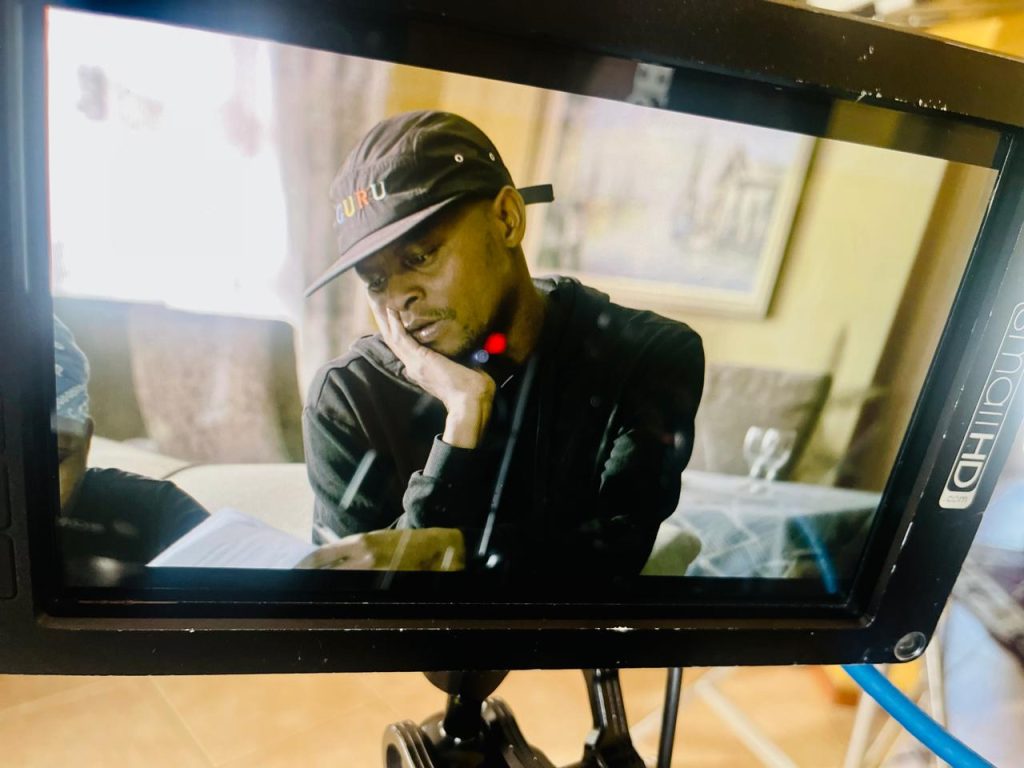
Passion can keep you going through difficult periods, but it should not require you to lose yourself in the process.
“The important lesson for me is that passion should not mean forgetting yourself.”
For Zulu, the goal is to continue growing in the industry while learning how to protect his energy and make time for the people who matter to him.
That understanding is part of his development, both as a professional and as a person.
He has also learned that growth sometimes comes through recognising what could have been done better. In a career where decisions are made quickly and several departments depend on one another, communication cannot be taken for granted.
A person may believe that an instruction is clear, while someone else may understand it differently. A change may seem minor to one department but have a major impact on another.
For that reason, Zulu places importance on confirming information, communicating changes clearly and making sure the relevant people understand what is expected of them.
Mistakes can be uncomfortable, particularly in a high pressure environment, but they can also become valuable lessons when approached with honesty.
“I don’t believe in pretending you never make mistakes. I believe in making sure you don’t keep making the same mistake.”
That willingness to learn is one of the most important qualities a person can develop. Nobody begins a career knowing everything, and nobody grows without encountering situations that test their judgement.
What matters is whether those experiences lead to improvement.
For Zulu, every production contributes to that process. Each challenge teaches him something about preparation, leadership, communication and the importance of remaining open to learning.
And while the industry may recognise him professionally as a First Assistant Director, that title does not tell the full story of who he is.
“Away from the walkie talkie, the call sheet and the title, I am simply Kruger.”
It is perhaps one of the most revealing reflections he shares. Behind the responsibilities and the demands of the set is a person with dreams, challenges, ambitions and a desire to keep becoming better at what he does.
He did not enter the industry simply to hold a title. He wanted to be part of the process of creating something meaningful, something that could move people and connect with audiences.
The walkie talkie may be part of his everyday working life, but it is not the whole of his identity. His passion for storytelling, his desire to create and his determination to keep growing are what give the journey its deeper meaning.
For Zulu, the future is about continuing to build, continuing to learn and eventually leaving behind work that reflects his own creative voice.
It is a vision that remains connected to his roots in Soweto, a place that forms part of his story as he continues to make his way through the film and television industry.
His journey is a reminder that there is no single way to build a meaningful career. Some people begin in the spotlight, while others learn their craft behind the scenes. Some discover their creative voice early, while others develop it through years of working alongside different people and understanding the many dimensions of their profession.
What matters is the willingness to keep moving, to respect the process and to remain committed to the person you are becoming.
Kruger Zulu’s story is still unfolding. Every production brings new responsibilities, every experience offers another lesson and every opportunity creates room for further growth. He continues to balance the demands of helping bring other people’s visions to life with the ambition to tell his own stories.
And that is what makes his journey worth paying attention to.
It is not simply a story about working on major productions or earning a place in a competitive industry. It is a story about the value of doing the work when nobody is watching, learning when nobody is applauding and understanding that progress is often built quietly, long before the world notices.
For the young creative sitting somewhere in Soweto, dreaming of a future in film, or for anyone with an ambition that feels bigger than their current circumstances, Zulu’s journey carries a simple but powerful message: start where you are, respect the work, learn from the people around you and never underestimate the value of consistency.
You may not control how quickly opportunities arrive, but you can control how you prepare for them. You may not always receive recognition for every contribution, but you can take pride in the quality of your work. And you may begin your journey helping someone else realise their dream, only to discover that the experience is preparing you to pursue your own.
From Soweto to the set, Kruger Zulu continues to build his story through discipline, passion and a determination to keep creating.
When audiences watch the finished production, they may never know about the last minute adjustments, the difficult decisions or the countless conversations that helped bring it to life. But Zulu knows, and so do the people who understand what it takes to make the magic happen.
His journey reminds us that you do not have to be the face on the poster to make a lasting contribution. Sometimes, the most important work happens away from the spotlight, carried by people who understand their purpose and show up ready to deliver.
And perhaps one day, as he continues to grow into his own voice as a filmmaker, the creative who has spent years helping other people’s stories reach the screen will bring his own stories to audiences who need to hear them.
Until then, he keeps learning, keeps building and keeps moving forward.
Because the rise of Kruger Zulu is not only about where he has worked or what he has achieved. It is about the possibilities that emerge when passion meets discipline, when humility walks alongside ambition, and when a person remains committed to the work long before the recognition arrives.
His journey is a testament to the power of building quietly, dreaming boldly and trusting that every step taken with purpose can lead somewhere meaningful.Kruger Zulu · First Assistant Director · Soweto
“Gu Gu Gu” Does Not Ask For Attention, It Takes It
There are songs you listen to once and immediately understand. Then there are songs that reveal themselves through the feeling they leave behind. “Gu Gu Gu” by Sphectacular and DJ Naves belongs to the latter, but there is something about this record that makes it difficult to simply listen and move on.It stays with you.
At its core, “Gu Gu Gu” is unapologetically Gqom. It carries the rawness, rhythm and attitude that have made the genre such a powerful part of South African club culture, particularly in Durban. But what makes the record stand out is not that it tries to reinvent Gqom. It understands exactly what the genre does best and leans into it with confidence.The production is built for movement.
The percussion has weight. The rhythm has character. There is an almost restless quality to the beat that keeps pushing the song forward, creating the kind of energy that feels bigger when experienced through a proper sound system.And then comes the hook.“Gu Gu Gu.”Three words.
Three sounds. Yet somehow, they are enough.That simplicity is one of the record’s biggest strengths.
In an era where artists can sometimes overthink the idea of making something catchy, “Gu Gu Gu” understands that a great hook does not always need a complicated explanation.
Sometimes repetition is the magic. Sometimes the simplest phrase is the one that stays in your head long after the music stops.You can already imagine the moment.The DJ drops the record.
The bass hits. The crowd recognises the hook. Suddenly the room belongs to the song.That is where “Gu Gu Gu” feels particularly powerful.It is a record that understands the relationship between music and people. It does not demand that you analyse it before enjoying it. It invites you to move first and think later.The presence of Niseni, Mgilane, Sazified and Thobeka also gives the record a wider collective feel. Rather than sounding like a song built around one personality, there is a sense of shared energy running through it, which complements the communal spirit that has always been central to Gqom.What I appreciate most about “Gu Gu Gu” is its confidence.It does not try too hard to be clever.
It does not bury the rhythm under unnecessary layers. It knows what kind of record it wants to be and delivers that identity without apology.That matters.Because great club music is not necessarily about complexity. It is about connection. It is about what happens when the production, the hook, the atmosphere and the crowd all meet at exactly the right moment.
“Gu Gu Gu” has that potential.There is also something refreshing about a record that feels designed for the dancefloor without being completely trapped by it. Yes, this is undoubtedly a club record, but the personality of the production gives it enough character to work beyond the walls of a nightclub. It is the kind of song that can find its way into cars, headphones, parties and DJ sets and still retain its identity.Sphectacular and DJ Naves have not simply made a song that makes noise.They have made a song that knows how to create a reaction.And that is an important distinction.“Gu Gu Gu” does not politely knock on the door of your attention.
It kicks the door open.It grabs you by the rhythm, pulls you into its world and leaves that unmistakable hook sitting somewhere in your head long after the track has ended.The Gqom sound continues to evolve, but records like this remind us why the foundation remains so powerful. When the drums are right, when the groove is right and when the hook lands, there is very little left to explain.You simply feel it.“Gu Gu Gu” is energetic. It is infectious. It has attitude. Most importantly, it has identity.And when the right DJ drops it in the right room, I suspect “Gu Gu Gu” will not just be heard.It will be felt.
SEVEN Hotel, Villas & Spa unveils R18 million reimagining built around the senses
The Sandton five-star property has completed a R18 million refurbishment of its 44 rooms and 17 villas, introducing a stay designed to engage the senses while offering guests a quiet retreat from the city.SEVEN Hotel, Villas & Spa, part of The Capital Hotels Group, has completed a refurbishment of more than R18 million across all 61 rooms and villa suites, from its Grand Luxe rooms to the Presidential Villa Suite.The investment marks a relaunch of the property around a simple idea: that a memorable hotel stay should be experienced through every sense – and that the best stays leave guests feeling restored and more like themselves.
Located on Helen Road in Strathavon, SEVEN is set within a leafy, secluded environment, yet remains close to Sandton’s business district. The property is seven minutes from Grayston Drive and approximately two kilometres from the Gautrain, positioning it as a convenient base for both business and leisure travellers.While Sandton is known for its high-rise buildings, business activity and busy social scene, SEVEN offers a contrasting experience: a private, tranquil setting designed to encourage guests to slow down.A hotel designed around the sensesThe refurbishment places the five senses at the centre of the guest experience.
Sight is shaped by mature trees, private gardens, water features and a curated collection of art and sculpture. From the moment guests enter the property, the surrounding greenery creates a sense of separation from the city beyond the gates.Sound is equally deliberate. During the day, the gardens are accompanied by the gentle sound of trickling water. In the evenings and early mornings, the villa suites offer a level of quiet that can be difficult to find in the heart of Sandton.Smell comes through the natural surroundings, with fresh morning air, cut grass and seasonal blooms complementing the atmosphere of the property.
In the evenings, the warmth of the Poison Ivy lounge and the calm of Spa by Camelot provide further sensory contrasts.Taste and touch come together at Textures, SEVEN’s restaurant. Open from 06:30 to 22:30, the restaurant focuses on fresh ingredients and uncomplicated dishes, with outdoor tables offering guests the option of dining beneath the stars.
Private dining is also available.Textures has become an important part of the SEVEN experience, attracting both hotel guests and local diners.The sense of touch continues throughout the property, from the redesigned villa and Jacuzzi Villa Suites to the tactile interiors of Poison Ivy, a lounge offering champagne, cognac and cigars.Beyond the five sensesSEVEN’s concept extends beyond the traditional five senses to what the hotel describes as a sixth: instinct.
The idea is that when the physical environment, service and atmosphere work together consistently, guests no longer need to think about their surroundings and can simply settle into their stay.The hotel’s seventh sense is more personal – a sense of self.According to Marc Wachsberger, founder and CEO of The Capital Hotels, the refurbishment was designed to respond to the demands placed on people living and working in Sandton.“Sandton asks a great deal of the people who move through it,” says Wachsberger.
“We reimagined SEVEN so that it gives something back. Whether you’re an executive in for two nights who needs to stay sharp, or a couple from down the road booking a villa suite twenty minutes from home, we want you to leave feeling composed and more like yourself than when you arrived.
Composure is the new premium.”A retreat for business and leisureIn addition to its accommodation, SEVEN offers conference and event facilities and hosts weddings. The property is also pet friendly.Room service is available 24 hours a day from Tuesday to Saturday, adding flexibility for guests with late arrivals, early departures or demanding schedules.
With its combination of private gardens, redesigned accommodation, dining, spa and event facilities, the relaunch positions SEVEN as a destination that aims to offer an alternative to the pace and formality often associated with Sandton.
SEVEN Hotel, Villas & SpaHelen Road, Strathavon, SandtonFor reservations, contact +27 (0)11 384 4900 or info@sevenvillahotel.co.za, or visit www.sevenhotel.co.za.SEVEN Hotel, Villas & Spa – come to your senses.
When Soweto Found Its Sunday Rhythm at the Cheese & Wine Festival
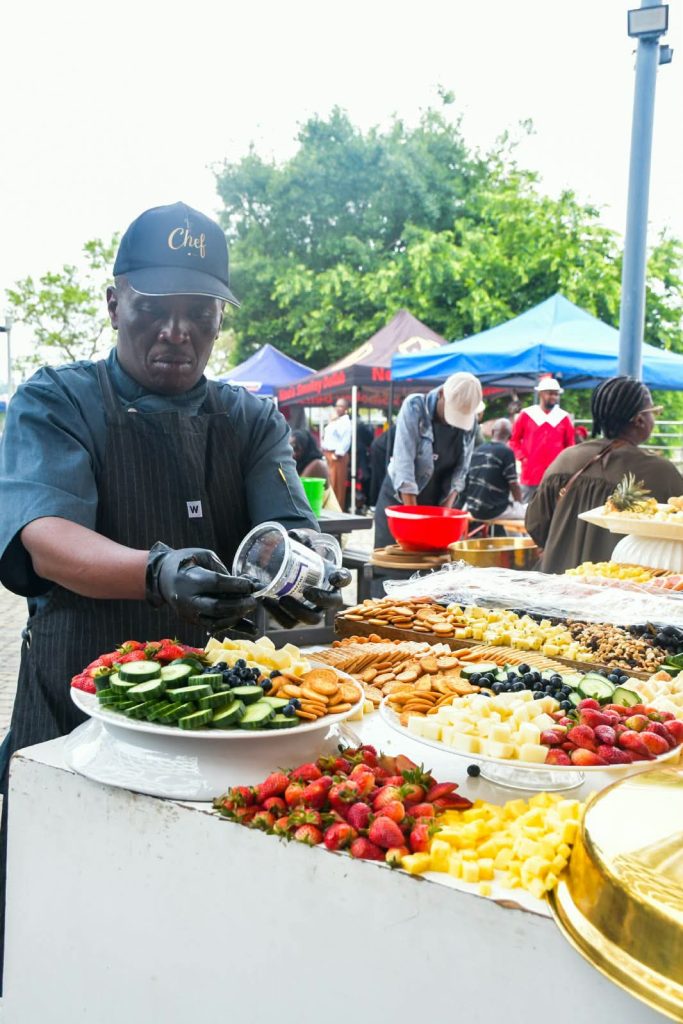
Soweto Theatre took on a different character on Sunday as food, wine and live entertainment came together for the Soweto Cheese & Wine Festival, turning what could have been a relaxed afternoon into a lively celebration of culture and community.The festival, held on 4 October 2026, attracted people looking for more than a traditional food-and-wine experience.
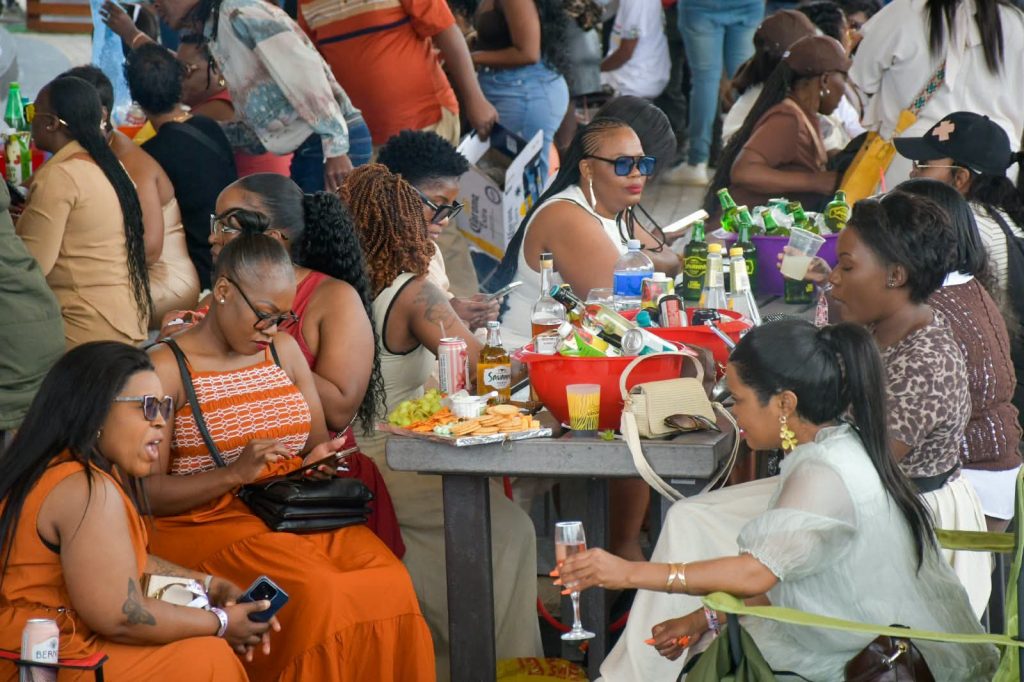
There was a social energy throughout the venue, with attendees arriving in groups, meeting up with friends and settling into an afternoon that gradually developed its own rhythm.And then came the music.
The Soundtrack Was Just as ImportantWhile wine and cheese formed the foundation of the festival, the entertainment lineup ensured that music remained central to the experience.Mbuso De DJ, Van Skosana, Summerdaze, Daffy, I Do, Njomane, Crazy Black Dudes, Schots, Lady P and Juic all contributed to the day’s musical offering, giving the crowd plenty of reasons to move away from their tables and towards the sound.Their performances helped shift the mood throughout the afternoon, bringing together different sounds and audiences and reminding everyone that a South African lifestyle event can comfortably exist at the intersection of food, music and culture.
The artists didn’t simply perform between activities – they became part of the experience.A Different Kind of SundayThere was also something particularly human about the event.People weren’t only there to consume what the festival had to offer. They were there to spend time together.A group of friends sharing a bottle. Someone discovering a new favourite wine.
Couples enjoying an afternoon out. People dancing when a familiar song came on. Phones coming out to capture moments that would otherwise disappear once the day ended.Those small interactions are often what define an event long after the headline acts have left the stage.For some attendees, it was a chance to dress up and enjoy a day out.
For others, it was simply an opportunity to reconnect with people they hadn’t seen in a while.Putting Soweto on the Lifestyle MapThe festival also represents the growing appetite for lifestyle experiences within Johannesburg’s townships.Soweto has never lacked culture, creativity or entertainment. What events like this demonstrate is that there is an audience for experiences that combine those elements with food, wine and a more contemporary lifestyle offering.
The setting at Soweto Theatre added to that identity. Rather than attempting to replicate a wine festival elsewhere, the event created an experience rooted in its own environment and audience.That distinction matters.And Then Sunday Became a MemoryBy the end of the day, the formula had proved simple: bring people together, give them something good to eat and drink, add music, and allow the atmosphere to take care of the rest.The Soweto Cheese & Wine Festival may have carried a sophisticated name, but its biggest success was something much more relatable.People enjoyed themselves.They laughed.
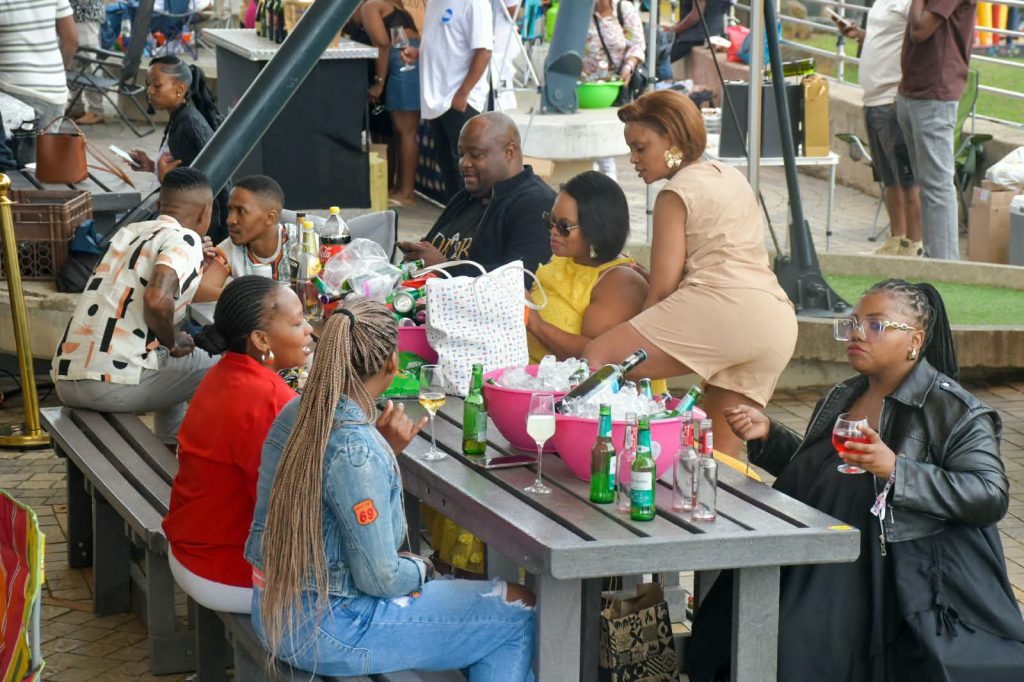
They danced. They connected. They listened to music. They created memories.And for one Sunday, Soweto Theatre became a meeting point where wine, food, music and people shared the same stage.That is perhaps the story worth remembering from this year’s festival.